competition
interviews
empathy
architecture
design

plantment

overview

gamifying plant care with ai

overview

gamifying plant care with ai
client

bootcamp student project

my role

user researcher | ux designer

project time

2 weeks

collaborators

team of 4

plantment started with a simple question: why is it so easy to forget to water your plants and so hard to know what they actually need? our team of five wanted to turn that everyday frustration into something playful. inspired by virtual pet games like webkinz, we imagined an app that makes caring for real plants feel like caring for digital companions.

the goal was not just to make something cute. we wanted to help plant parents actually learn how to keep their plants thriving. we built an ai-assisted care platform that uses game-like interactions to teach users about watering schedules, sunlight placement, and common plant issues.

understanding the problem

we started by mapping out what makes plant care difficult. through early conversations, it became clear that most frustrations came from uncertainty. people were not confident about what their plants needed, and the information online was often generic or overwhelming.

we identified several recurring issues:
• figuring out where to place plants for the right light
• forgetting to water or accidentally overwatering
• dealing with pests, mites, and other unwelcome visitors
• not knowing how to diagnose what is wrong when a plant looks unhealthy
• struggling to find reliable information tailored to their specific plant
• not having the time or attention to give plants consistent care


solution

• create one easy-to-use platform where users can see and manage all their plants
• give users a virtual space to care for their plants anytime, anywhere
• add fun, game-like features to keep users engaged and motivated
• personalize the experience to help users identify and solve specific plant issues
• suggest ideal plant placement and share helpful care tips tailored to each plant

user research

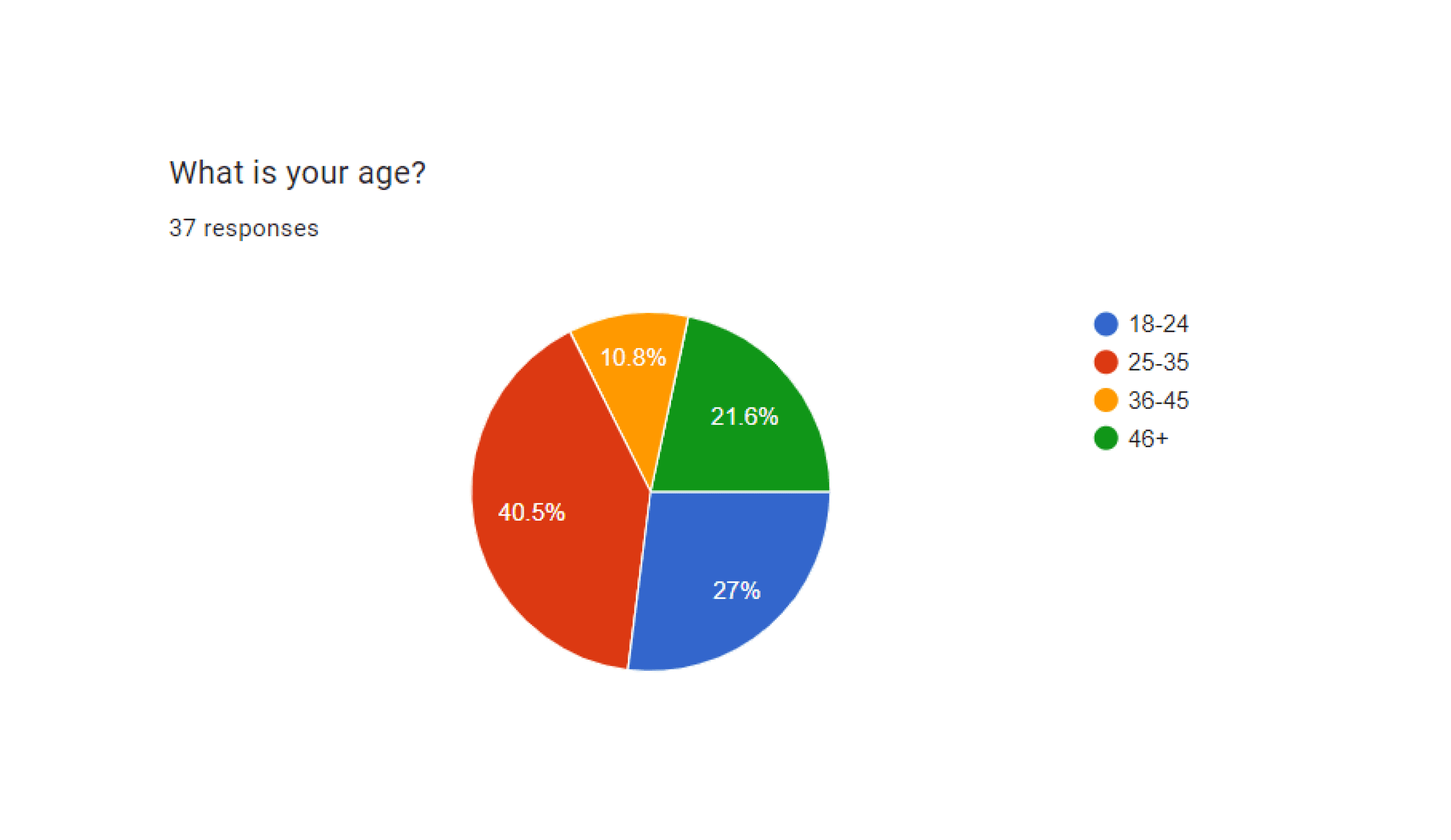
to validate our assumptions, we ran a mix of qualitative and quantitative research. our team conducted 12 in-depth interviews and distributed an online survey that gathered 37 responses. this gave us both stories and numbers to work with.

the data painted a clear picture:

89 % of respondents were already plant owners or intended to become one, showing strong enthusiasm for plant care

89 % of respondents were already plant owners or intended to become one, showing strong enthusiasm for plant care

65 % said they would buy more plants if they had better guidance and resources

65 % said they would buy more plants if they had better guidance and resources

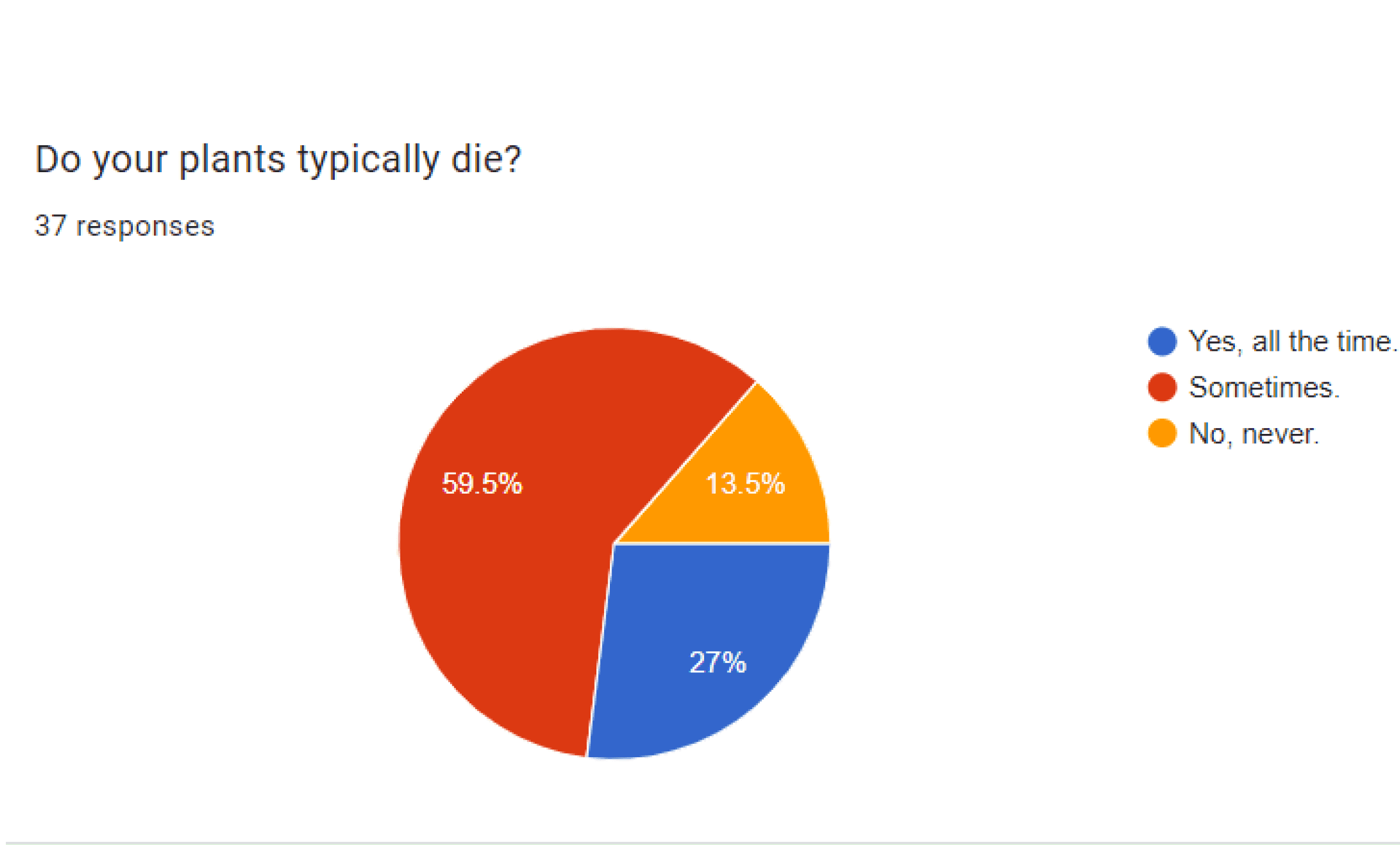
27 % said their plants “always” die

27 % said their plants “always” die

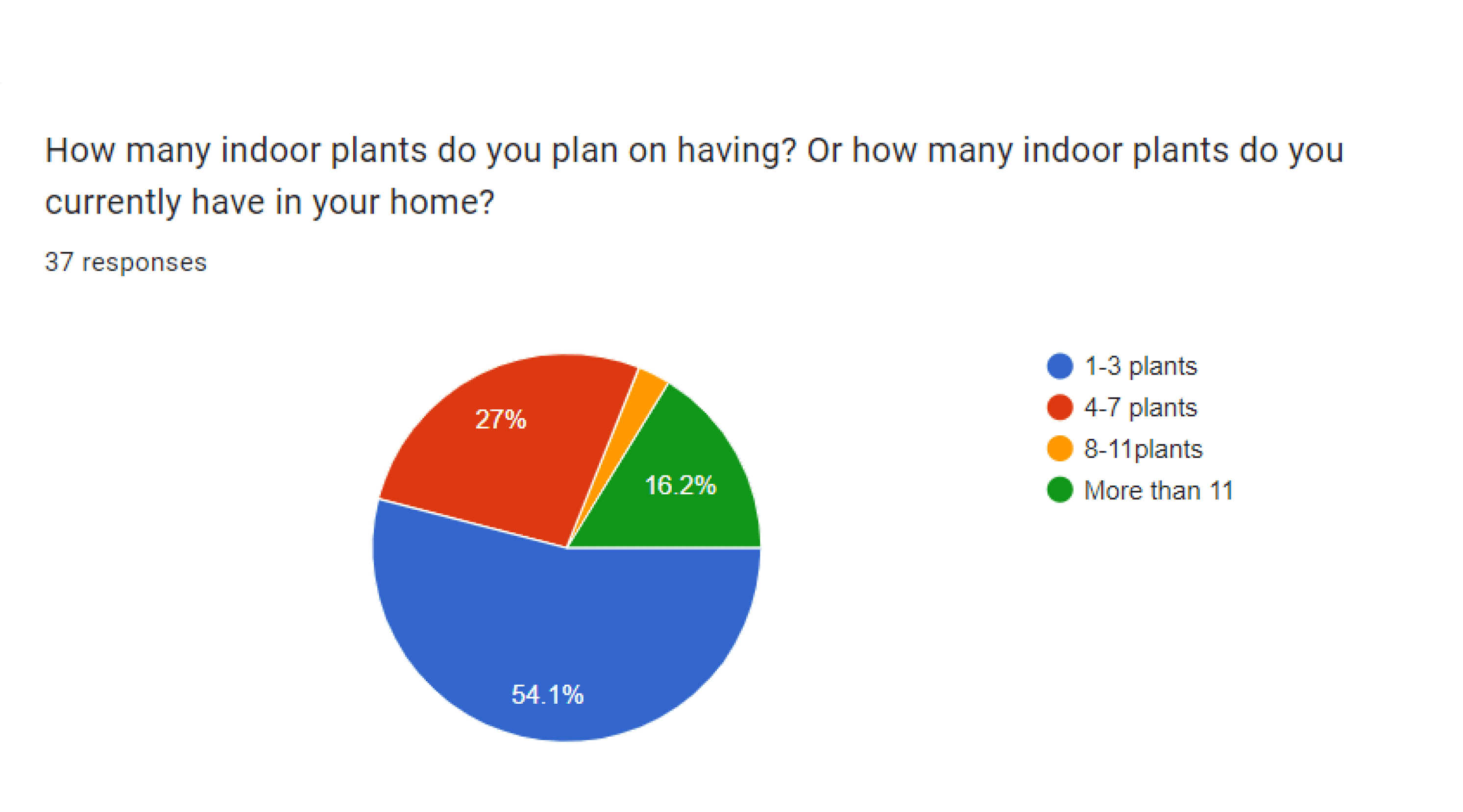
54 % owned between one and three plants, and 43 percent had four or more

54 % owned between one and three plants, and 43 percent had four or more

62 % were also pet owners, which influenced how they approached plant choices and maintenance

62 % were also pet owners, which influenced how they approached plant choices and maintenance


insights

from the research, we noticed three main insights that guided our design decisions:

  1. knowledge gaps cause stress. most users wanted to do better but did not know how. when they searched online, they found conflicting advice. this created anxiety instead of empowerment.

  2. motivation fades without feedback. people felt good when they saw progress (like a new leaf) but easily lost motivation when they did not. they needed more immediate, positive feedback.

  3. plant care feels solitary. unlike fitness apps or games, plant care does not usually offer social or interactive experiences. people wanted a sense of companionship and reward.

these findings shaped our north star: make plant care feel rewarding, understandable, and alive.

building empathy

our team used a mix of qualitative and quantitative research methods to understand user needs. on the qualitative side, we conducted 12 interviews to uncover real pain points, emotions, and goals. on the quantitative side, we distributed an online survey and collected 37 responses to validate those patterns.

after gathering the data, we mapped it out visually to see the emotional and behavioral layers behind plant care.
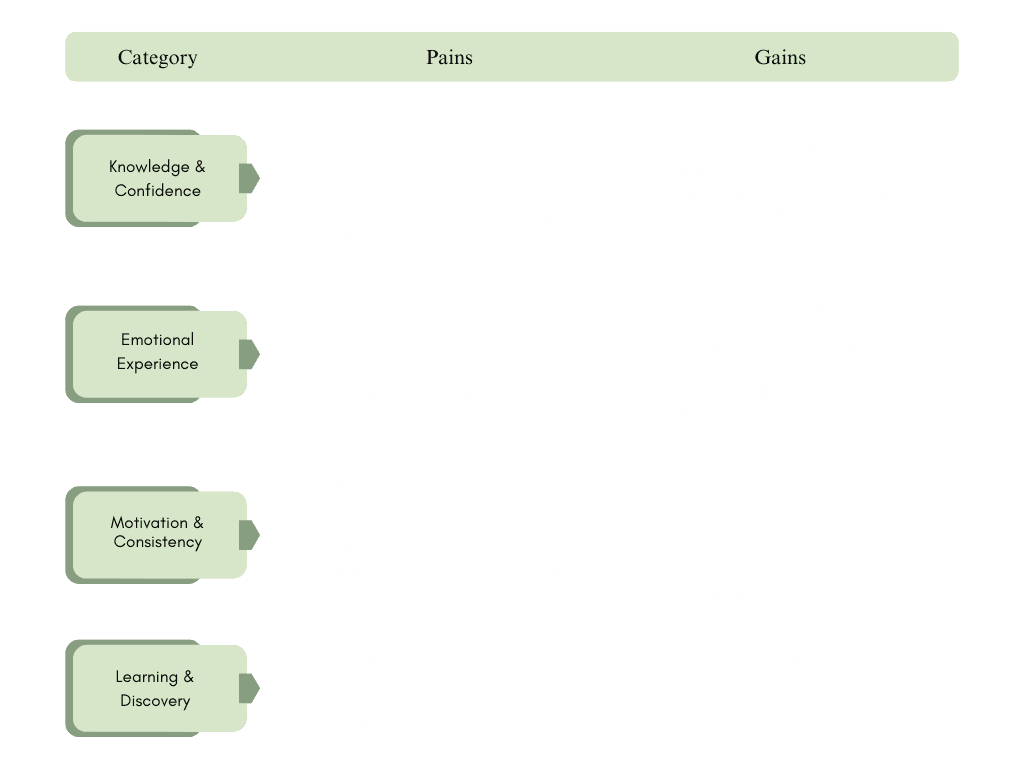
our team used a mix of qualitative and quantitative research methods to understand user needs. on the qualitative side, we conducted 12 interviews to uncover real pain points, emotions, and goals. on the quantitative side, we distributed an online survey and collected 37 responses to validate those patterns.

after gathering the data, we mapped it out visually to see the emotional and behavioral layers behind plant care.

in the pains and gains map, we captured what users struggled with most — uncertainty, lack of clear guidance, and frustration when they could not find specific information. we also noted the small wins they valued, like having trustworthy resources or seeing positive feedback when a plant was thriving.
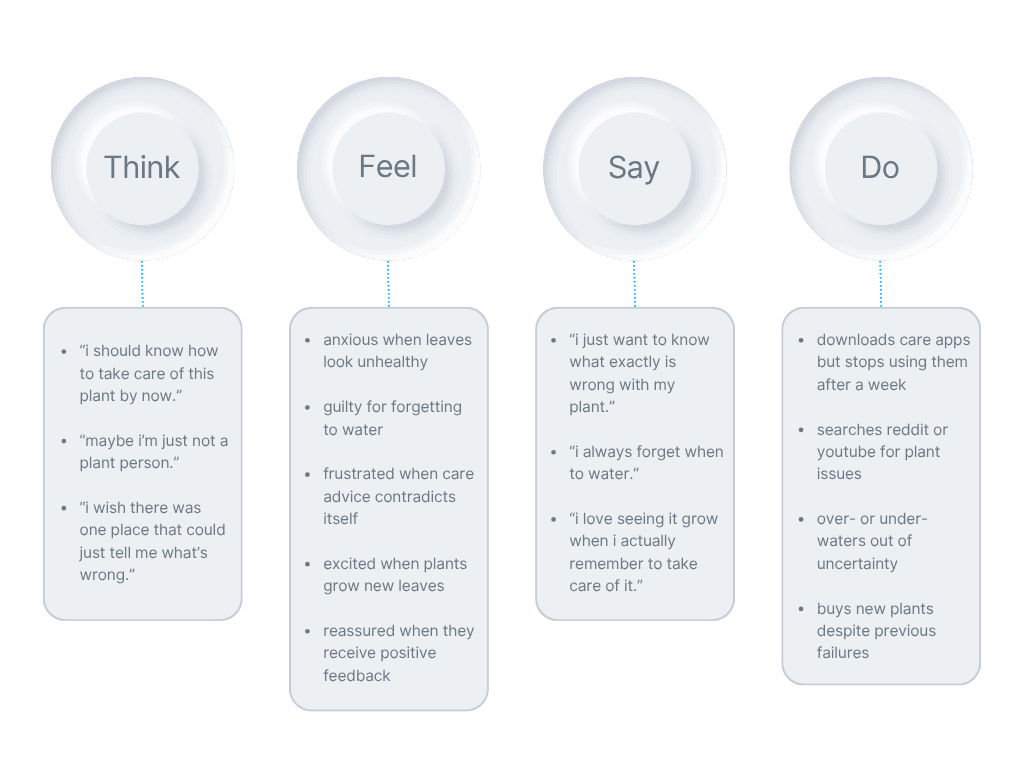
the second framework, think-feel-say-do, helped us understand motivations on a deeper level. it showed that users often think they should already know how to care for plants, feel guilty or frustrated when things go wrong, say they want to learn more, but often do nothing until a visible problem appears. this gap between intention and action became a key insight.

many users said things like “i want to know what’s wrong, but i can’t tell just by looking.” others mentioned spending hours scrolling through forums, hoping to find someone with the same issue. this told us that the emotional weight of plant care — the guilt, the guessing, and the relief when things improve — was just as important to design for as the functional side.
design

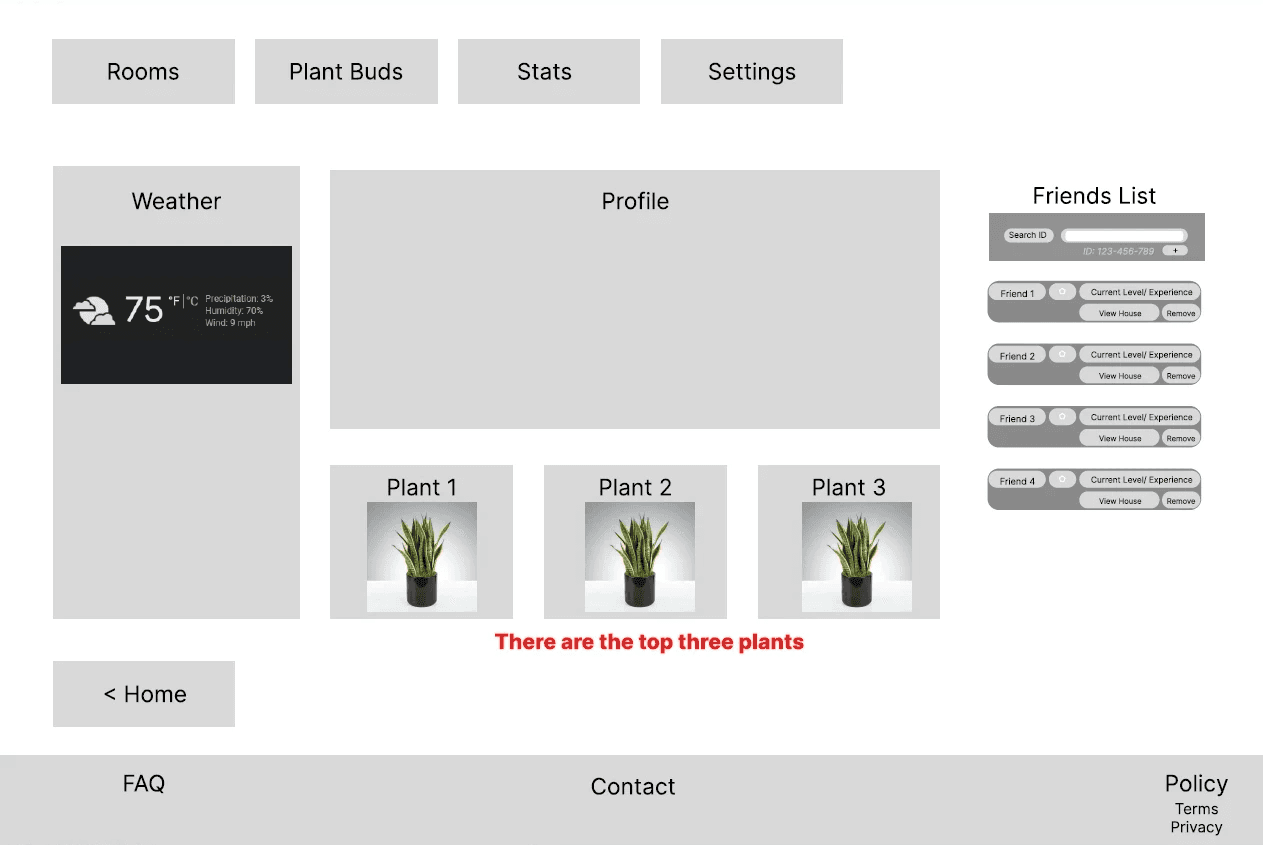
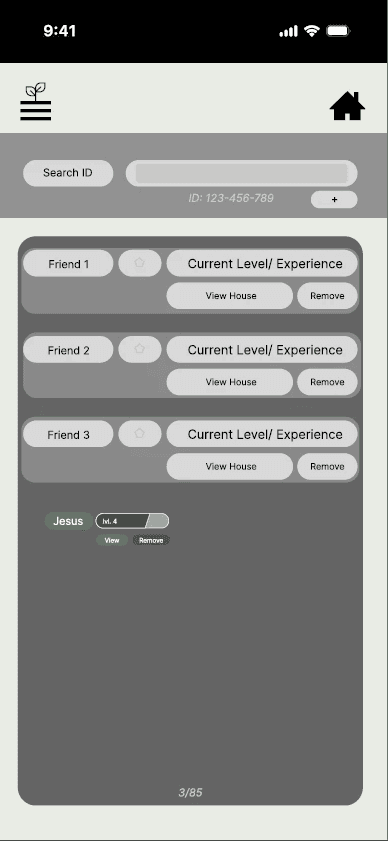
low-fidelity wireframes

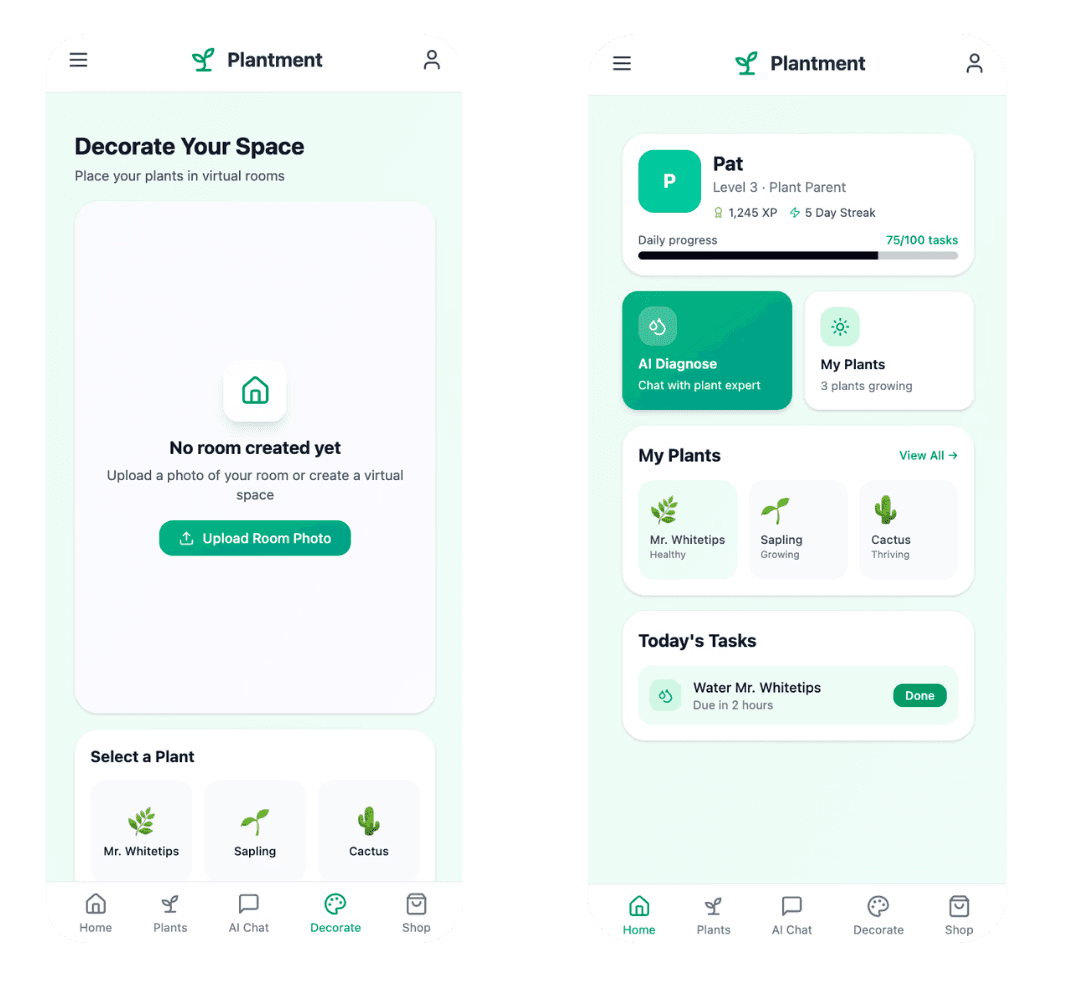
with a clearer understanding of user needs, we shifted toward shaping the actual experience. the challenge was to design something that felt quiet and supportive, but still playful enough to encourage consistent care. we wanted the interface to guide users without overwhelming them, and to make the relationship between user, plant, and virtual companion feel natural rather than forced.

we started by defining a visual language that felt close to the topic itself. soft greens, muted neutrals, and rounded shapes became the foundation. nothing should feel sharp or technical. the interface needed to feel like a space you could return to daily, almost like checking in on a small corner of your home.

we started by defining a visual language that felt close to the topic itself. soft greens, muted neutrals, and rounded shapes became the foundation. nothing should feel sharp or technical. the interface needed to feel like a space you could return to daily, almost like checking in on a small corner of your home.

with a clearer understanding of user needs, we shifted toward shaping the actual experience. the challenge was to design something that felt quiet and supportive, but still playful enough to encourage consistent care. we wanted the interface to guide users without overwhelming them, and to make the relationship between user, plant, and virtual companion feel natural rather than forced.

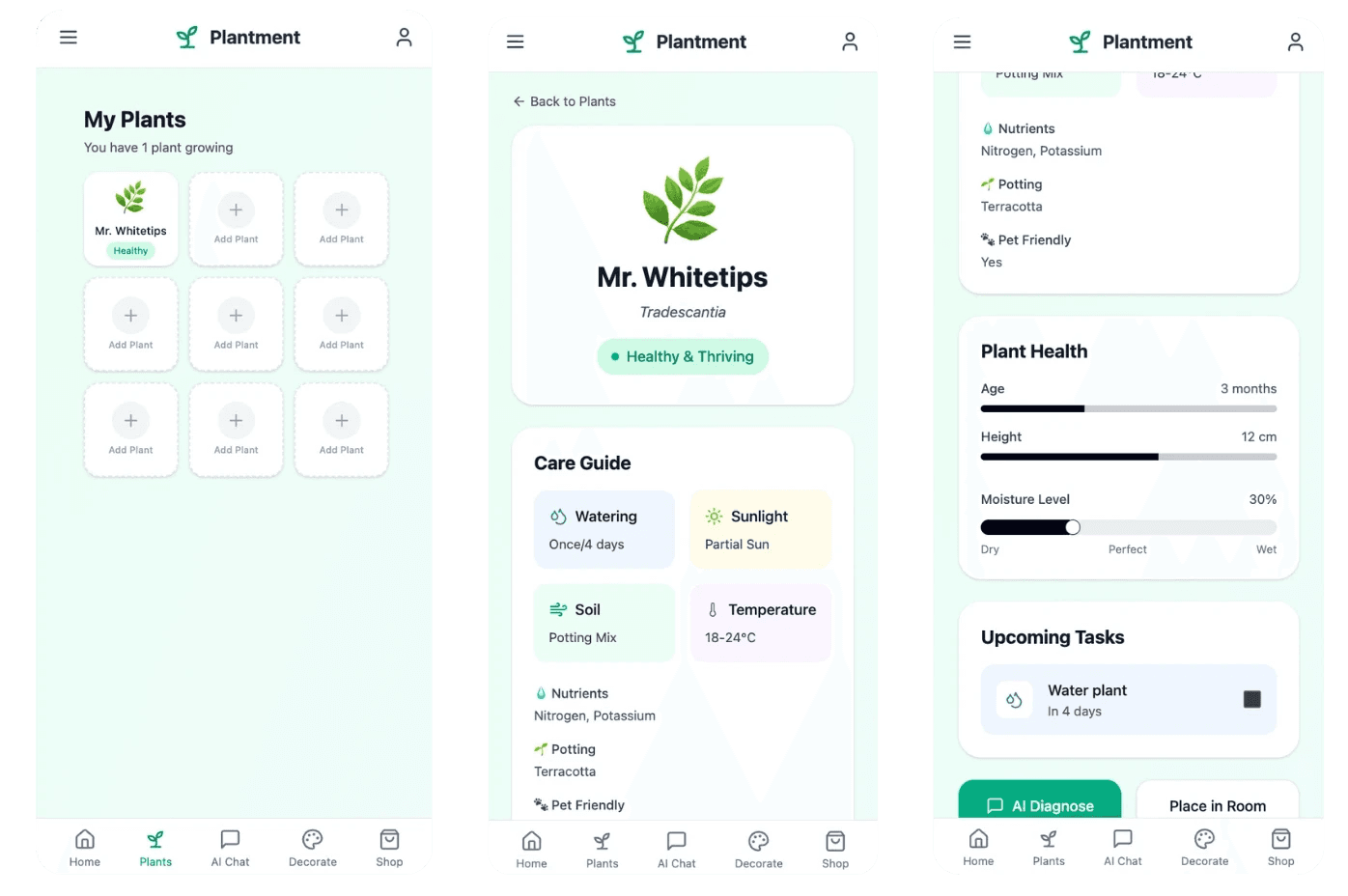
plant profiles

the plant profile became the emotional center of the product. each plant gets a dedicated page where users can see watering needs, sunlight status, care tips, and their plant’s progress over time.
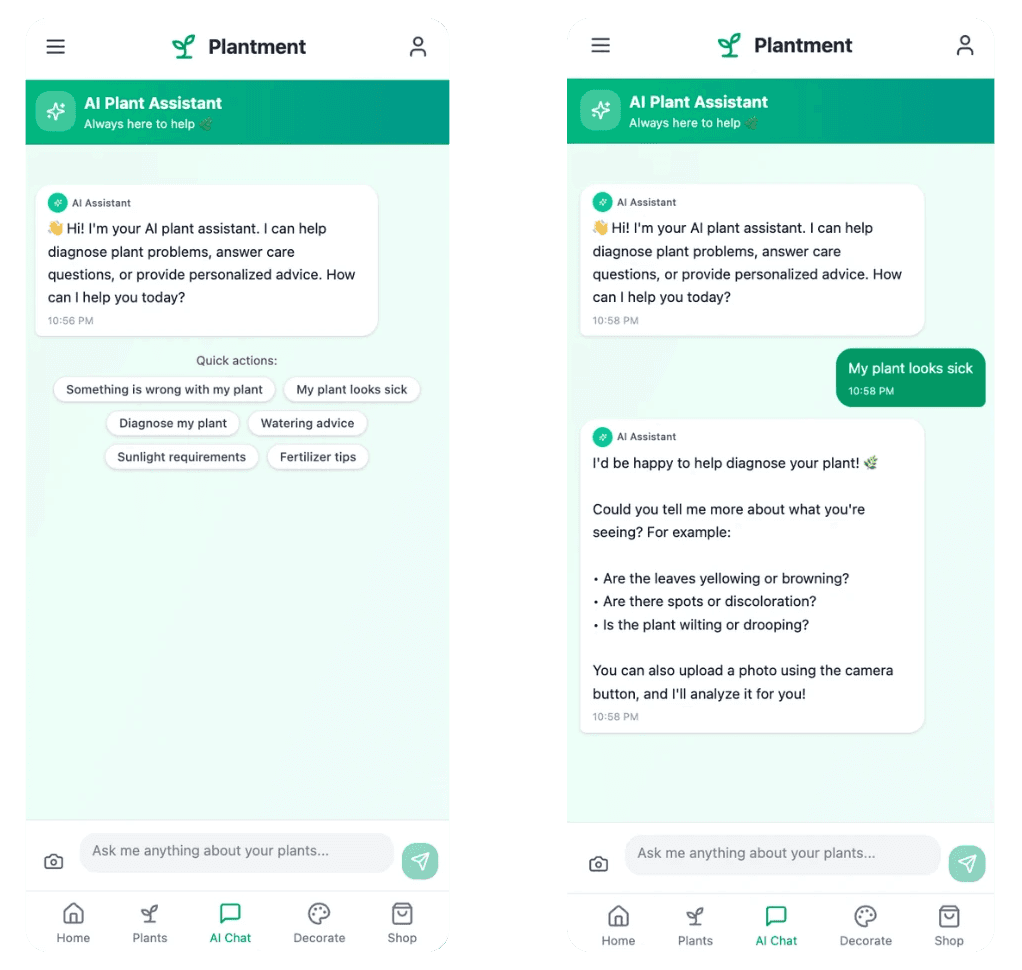
diagnosis flow

the ai assistant was designed to feel like a calm companion rather than a technical chatbot. users can ask questions, upload photos, or check symptoms, and the responses appear in simple, friendly language.
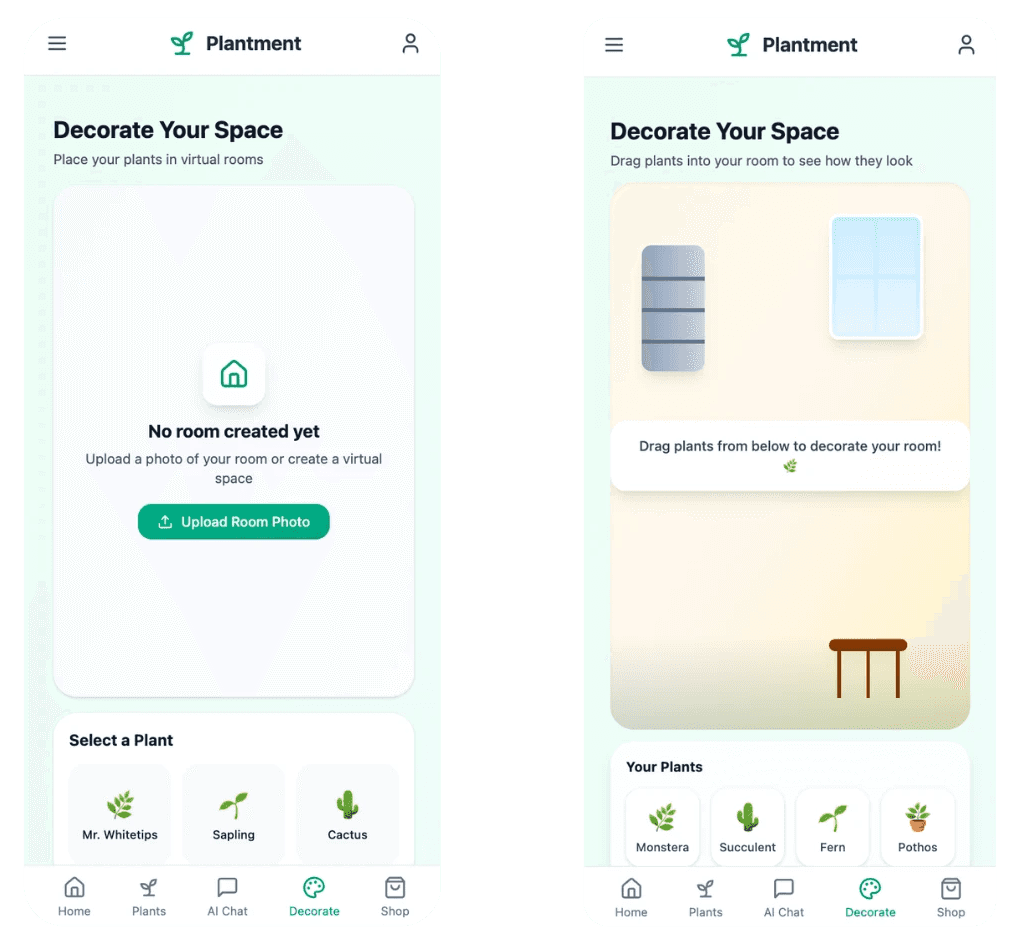
my room: creating a little world

the room builder is where the experience becomes personal.

healthy plants result in happy virtual plants. neglected plants show subtle signs like slight drooping or low energy.
this mirror system creates a gentle emotional loop that supports behavior change.

users can place items, rearrange furniture, and customize their world. it becomes a visual reflection of their attention and progress.
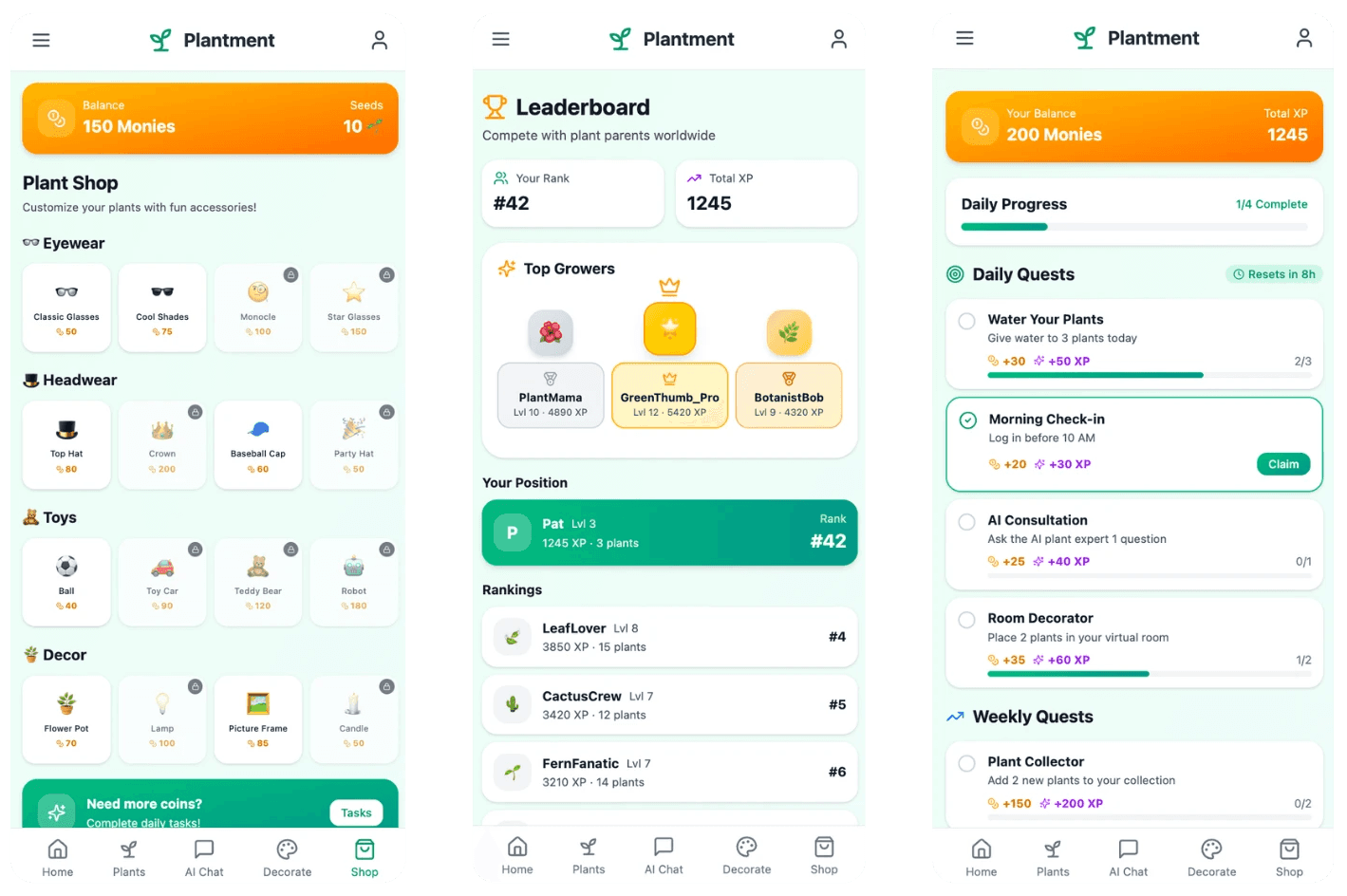
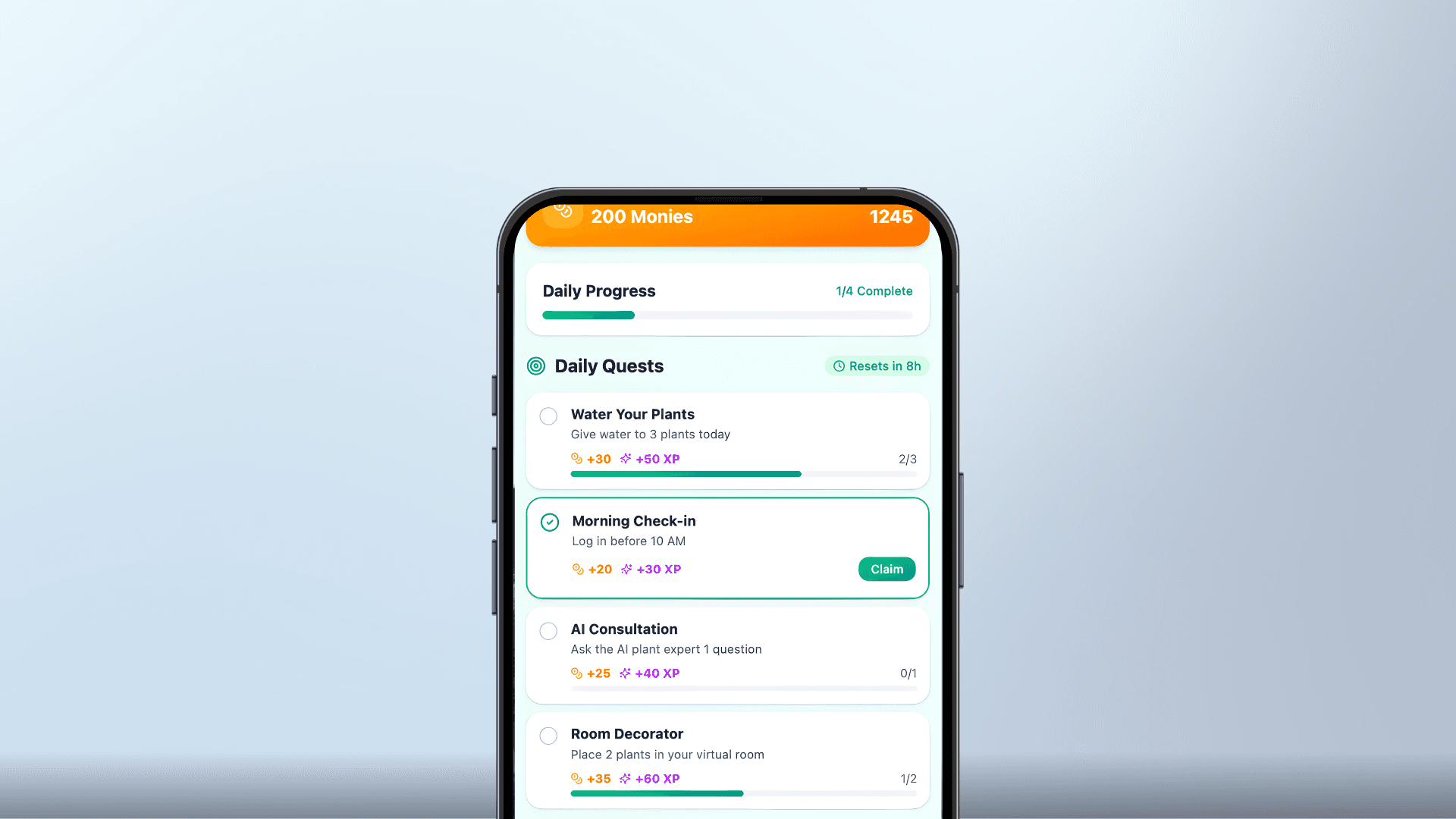
the coin system connects real actions like watering plants and completing tasks with in-app motivation.

these coins can be used to unlock items, decorations, and themes in the virtual room. the goal was not to gamify everything, but to add gentle encouragement that keeps users returning to the app without feeling forced.

coin economy and rewards

the coin system connects real actions like watering plants and completing tasks with in-app motivation.

these coins can be used to unlock items, decorations, and themes in the virtual room. the goal was not to gamify everything, but to add gentle encouragement that keeps users returning to the app without feeling forced.

takeaway & learnings

#1 simplicity is the hardest part to design
paper sketches, half finished screens, rough clickable flows. testing early saved time and exposed blind spots way faster than polishing screens in isolation.

#2 small emotional cues can change long-term behavior

students do not need fancy features. they need fast, the subtle reactions of virtual plants, gentle task animations, and calm ai responses created a positive loop that brought users back. small moments of delight had a measurable impact on motivation.

#3 motivation grows when progress is visible

adding small visual reactions — healthier virtual plants, subtle room upgrades, tiny coins dropping in — created a feeling of momentum. users stayed engaged because they could see their care paying off, both in data and in their virtual space.
#4 bridging the real and virtual can strengthen behavior change
connecting real plant care to a virtual world helped users stay consistent. the virtual room wasn’t just decoration; it became an emotional mirror that turned everyday tasks into something meaningful.

elena qian

competition
interviews
empathy
architecture
design
competition
interviews
empathy
architecture
design

user research

to validate our assumptions, we ran a mix of qualitative and quantitative research. our team conducted 12 in-depth interviews and distributed an online survey that gathered 37 responses. this gave us both stories and numbers to work with.

the data painted a clear picture:

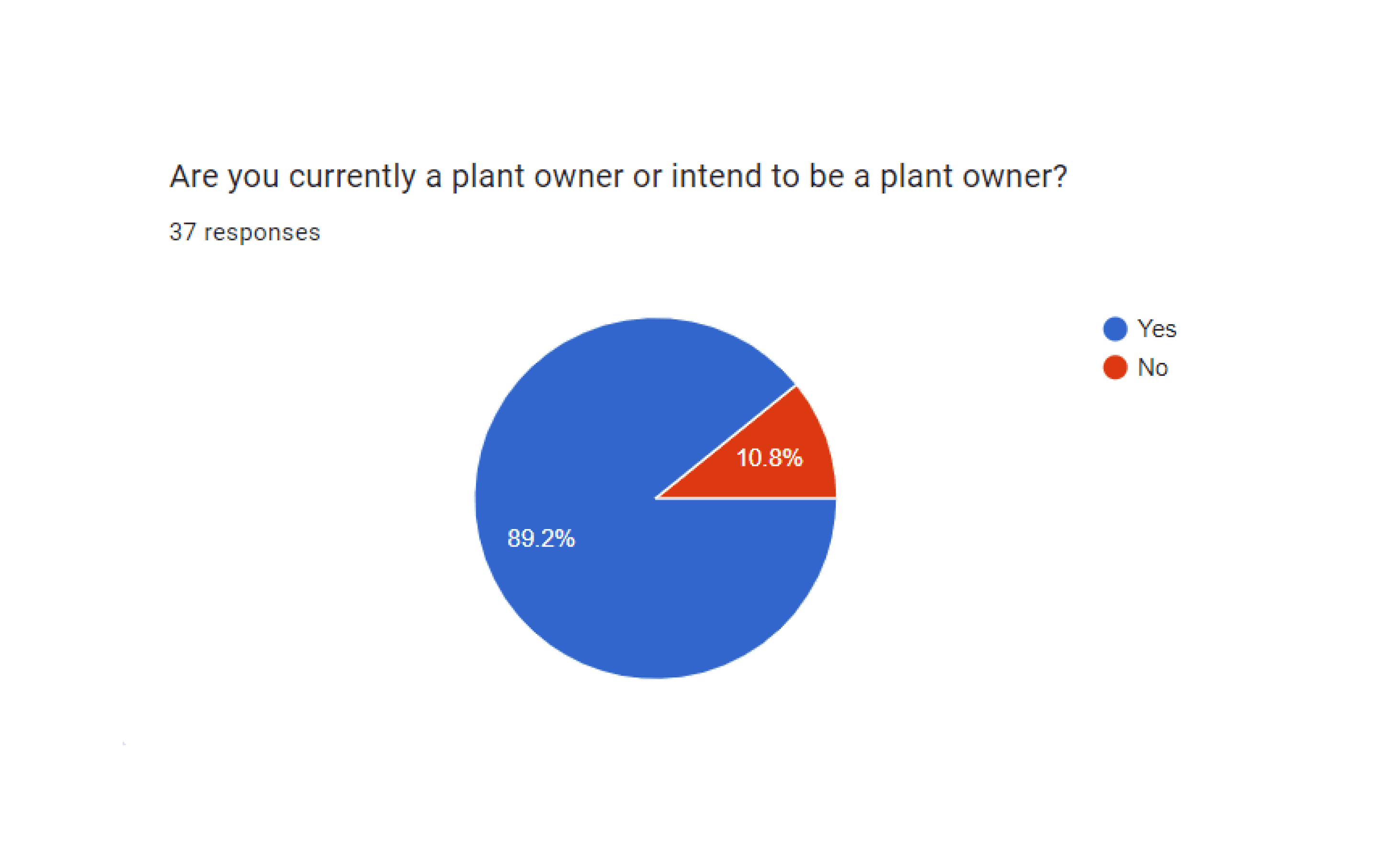
89 % of respondents were already plant owners or intended to become one, showing strong enthusiasm for plant care

65 % said they would buy more plants if they had better guidance and resources

27 % said their plants “always” die

54 % owned between one and three plants, and 43 percent had four or more

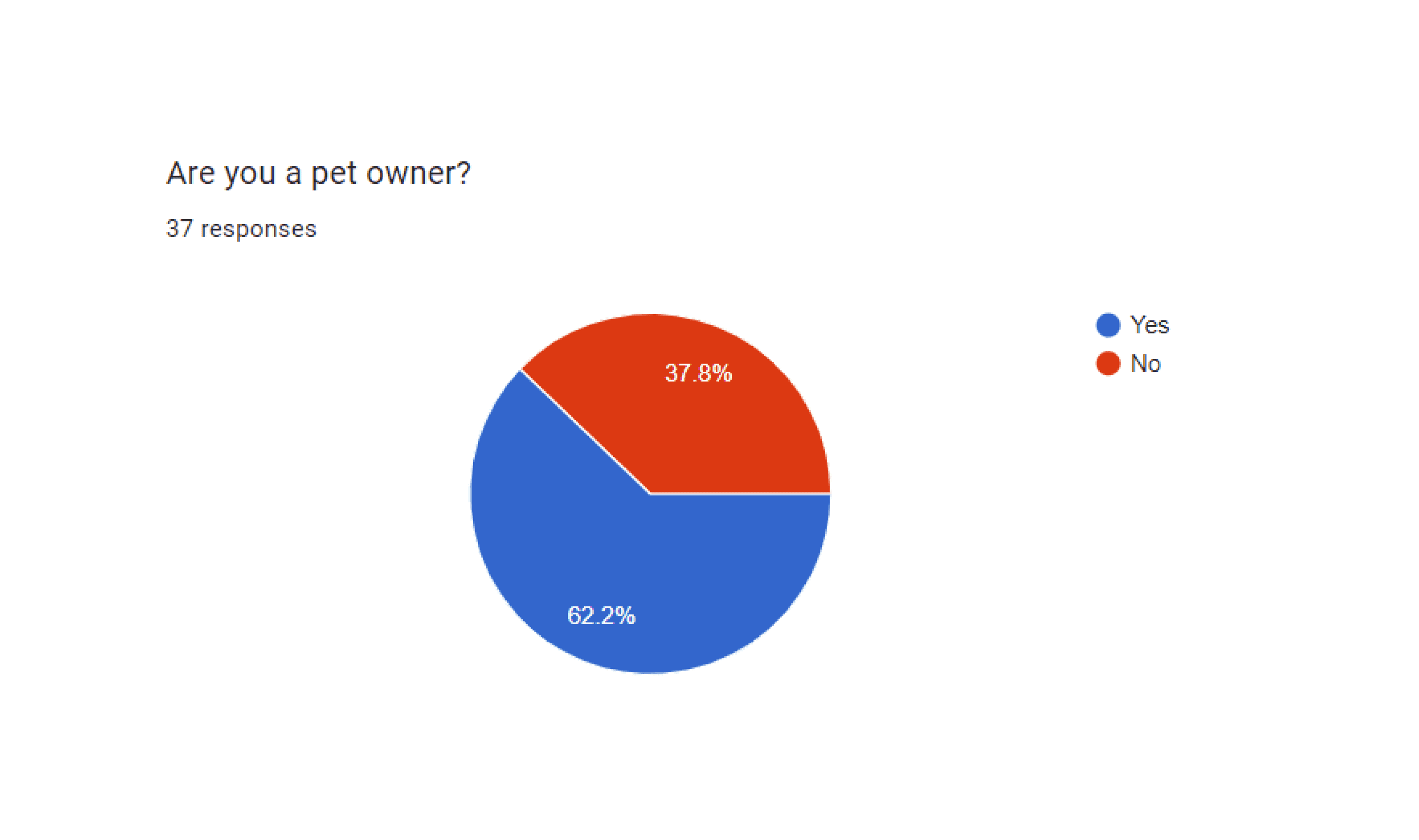
62 % were also pet owners, which influenced how they approached plant choices and maintenance


insights

from the research, we noticed three main insights that guided our design decisions:

  1. knowledge gaps cause stress. most users wanted to do better but did not know how. when they searched online, they found conflicting advice. this created anxiety instead of empowerment.

  2. motivation fades without feedback. people felt good when they saw progress (like a new leaf) but easily lost motivation when they did not. they needed more immediate, positive feedback.

  3. plant care feels solitary. unlike fitness apps or games, plant care does not usually offer social or interactive experiences. people wanted a sense of companionship and reward.

these findings shaped our north star: make plant care feel rewarding, understandable, and alive.